How to Stop Overtalking and Become a More Powerful Communicator
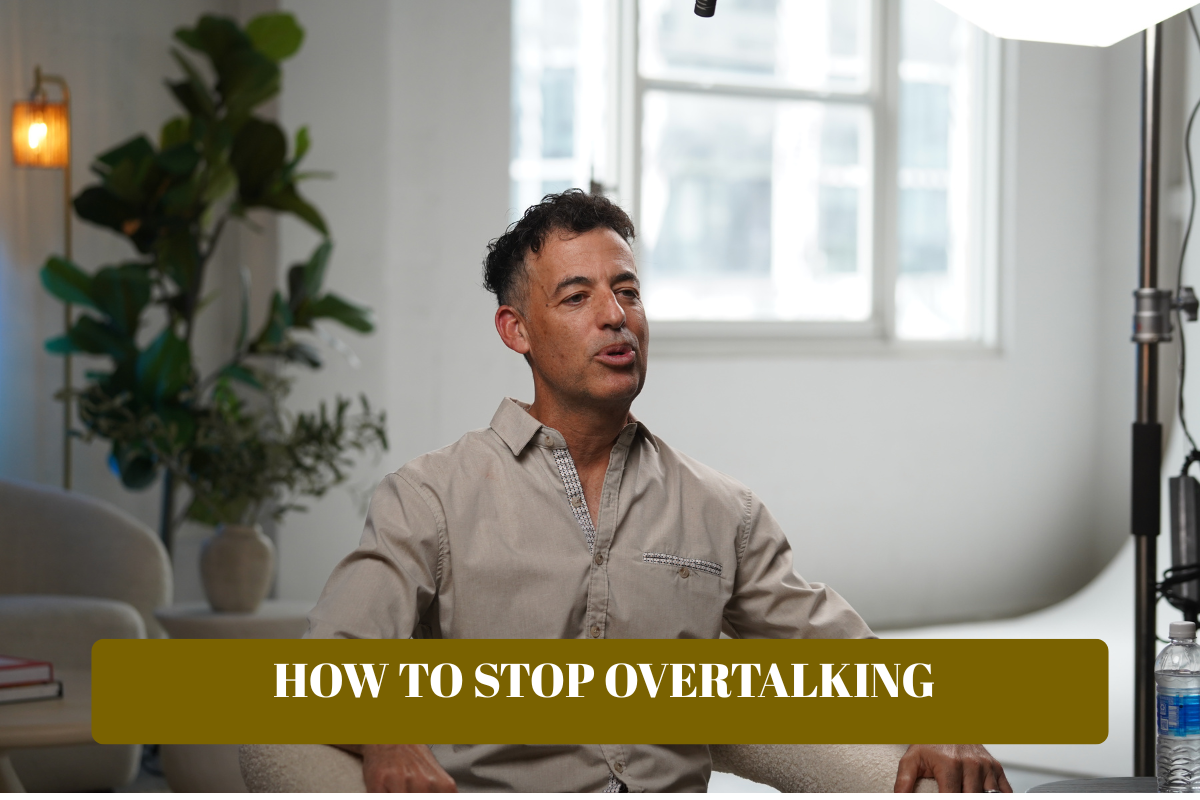
Many smart, capable professionals struggle with one common communication habit: overtalking. They add extra details, repeat their points, or keep speaking long after the message has landed. As a result, their impact weakens — even when their ideas are strong. Fortunately, you can learn to speak with clarity, intention, and control.
Understand Why You Overtalk
First, recognize the root causes. Overtalking often comes from nerves, a desire to prove expertise, or fear that others will not understand. Sometimes it stems from enthusiasm. Other times, it is simply a lack of structure.
Instead of judging yourself, get curious. Notice when you tend to ramble. Do you speak longer in high-stakes meetings? Do you fill silence because it feels uncomfortable? Awareness is the first step toward change.
Structure Your Thoughts Before You Speak
Next, slow down your thinking so your words can become more precise. Before contributing in a conversation or presentation, ask yourself:
- What is my main point?
- Why does this matter to my audience?
- What is the clearest way to say it?
Strong communicators prepare mentally in advance. This is why many people seek guidance from a public speaking coach or enroll in public speaking classes — not just to deliver speeches, but to learn how to organize ideas quickly in real time.
Use the “Rule of the Breath”
A simple but powerful technique is the Rule of the Breath. If you cannot express your key idea in one comfortable breath, the thought is probably too long.
Practice summarizing your point in a single, clean sentence. Then pause. Give others time to absorb what you said. Often, the pause itself creates authority.
In contrast, constant talking signals uncertainty. Silence, when used intentionally, signals confidence.
Replace Rambling with Purposeful Pauses
Moreover, learn to become comfortable with moments of quiet. Many professionals overtalk because they feel pressure to keep the conversation moving. In reality, thoughtful pauses improve listening, collaboration, and credibility.
Try this exercise: after you finish a point, silently count “one-one-thousand, two-one-thousand.” If no one responds, then you may add one clarifying sentence — not five.
Clients who work with a public speaking coach or attend public speaking classes often discover that controlled pacing dramatically increases their influence.
Listen More Than You Speak
Great communicators understand that conversation is not performance. It is connection. When you focus on listening, you naturally speak less — and say more.
Ask questions. Reflect back what you heard. Respond with intention rather than impulse. This approach reduces filler language and keeps discussions productive.
Practice Concise Delivery Every Day
Finally, build this skill through daily repetition. Challenge yourself to summarize updates in meetings. Deliver stories in under 60 seconds. End emails with one clear takeaway.
Over time, concise communication becomes a habit. Your ideas will land faster. Your presence will feel stronger. Most importantly, people will trust your message.
When you stop overtalking, you do not lose your voice — you sharpen it.
About Dave
With 25+ years on camera and on stage, Miami-based Dave Aizer helps individuals and organizations elevate their communication skills through dynamic coaching and unforgettable keynotes. As seen on CBS, FOX Sports, Nickelodeon, and TEDx.
QUICK LINKS:
Contact Dave for public speaking coaching in Miami, Fort Lauderdale, West Palm Beach, and throughout the United States.